Sump Pump Installation in Akron, OH
A sump pump sits in a basin below the basement floor and lifts collected groundwater out to the yard. If your home in Akron, OH has a pump that struggles, or a basement with no pit at all, you can use this free referral service to have one independent local contractor reach out to you.
Not sure if we cover your area? Check now ↓
Basement Estimate Request
Takes about 30 seconds. One local contractor gets it and contacts you.
Your details go to one independent contractor who works around Akron, OH, and that contractor gets in touch with you directly. See our Referral Marketing Disclosure.
Pumps, Pits and Discharge Lines
Four parts do the work: a lined basin set into the slab at a low point, a float that starts the pump as the level climbs, the pump, and an outlet pipe with a check valve so water can't slide back. The choices are capacity, pedestal or submersible, and backup power.
The ground here can keep a pump busy. Per USDA soil scientists, a till soil common across northeastern Ohio, and first described in Summit County, rests on a dense layer that water seeps through slowly, so water can perch near the surface from October to June. Census survey data dates 34.1% of Akron homes to 1939 or earlier, and an older basement may never have had a basin.
Pumped water belongs outdoors, well clear of the foundation and the neighbor's lot. It should never end up in a floor drain, laundry tub or sewer pipe. Per the City of Akron, neither a sump pump nor a footer drain can connect to the sanitary lateral. In the nearby cities, ask the city office and a licensed plumber where a discharge line should end.
Hooking the discharge into a drain or sewer pipe counts as plumbing, so that's a licensed plumber's work with permits, plus the City's sewer permit wherever an Akron sewer is involved. A new circuit or outlet may need an electrician and a County electrical permit.
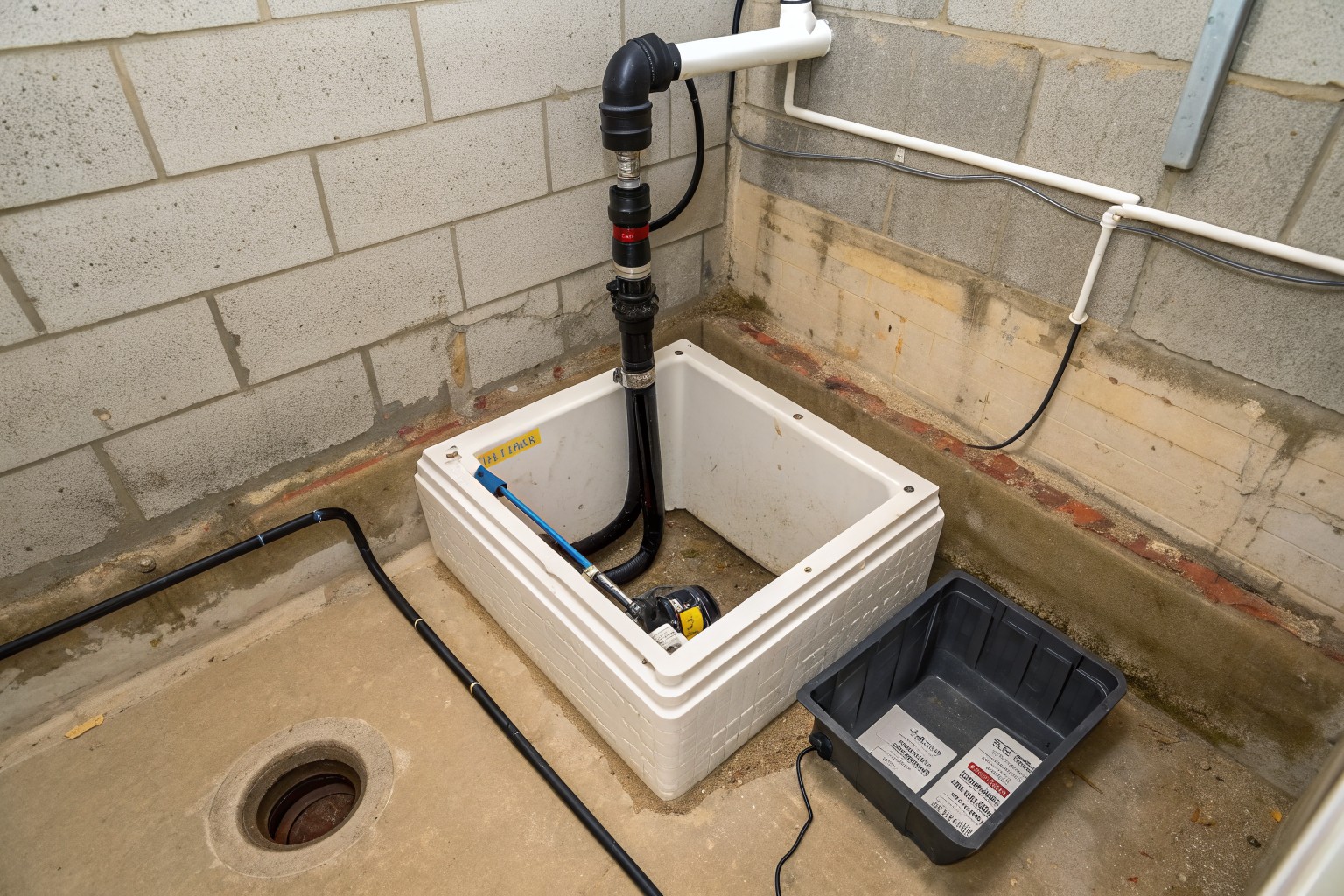
When Homeowners Ask for Sump Pump Installation
- A worn-out pump. One that hums without emptying the pit, or never rests, gets swapped in the same basin.
- A first basin. Concrete is cut at a low corner and a liner set in, often where new drain tile ends.
- Backup pumping. A battery-powered second pump takes over if the main one stops or the electricity cuts out.
- A water alarm. A small sensor sounds when the pit fills higher than it should.
- A longer outdoor line. Extended so water lands in the yard, not beside the wall.
The Work, Start to Finish
- First contact. The one independent contractor who receives your request reaches out, and you decide together whether it comes to look.
- The pit. Basin, pump age, float, check valve and where the outlet leaves the house.
- A written estimate. Pump model, backup or alarm, the outdoor discharge point and a total.
- Permits. In Akron, the County's building office handles electrical and plumbing permits and the City anything touching its sewers; the contractor checks what the scope needs with Summit County Building Standards, (330) 630-7280, or the Plans & Permits Center, 330-375-2010.
- A bucket test. A few gallons in the basin should lift the float, empty the pit outdoors and sound the alarm.
What Moves the Price
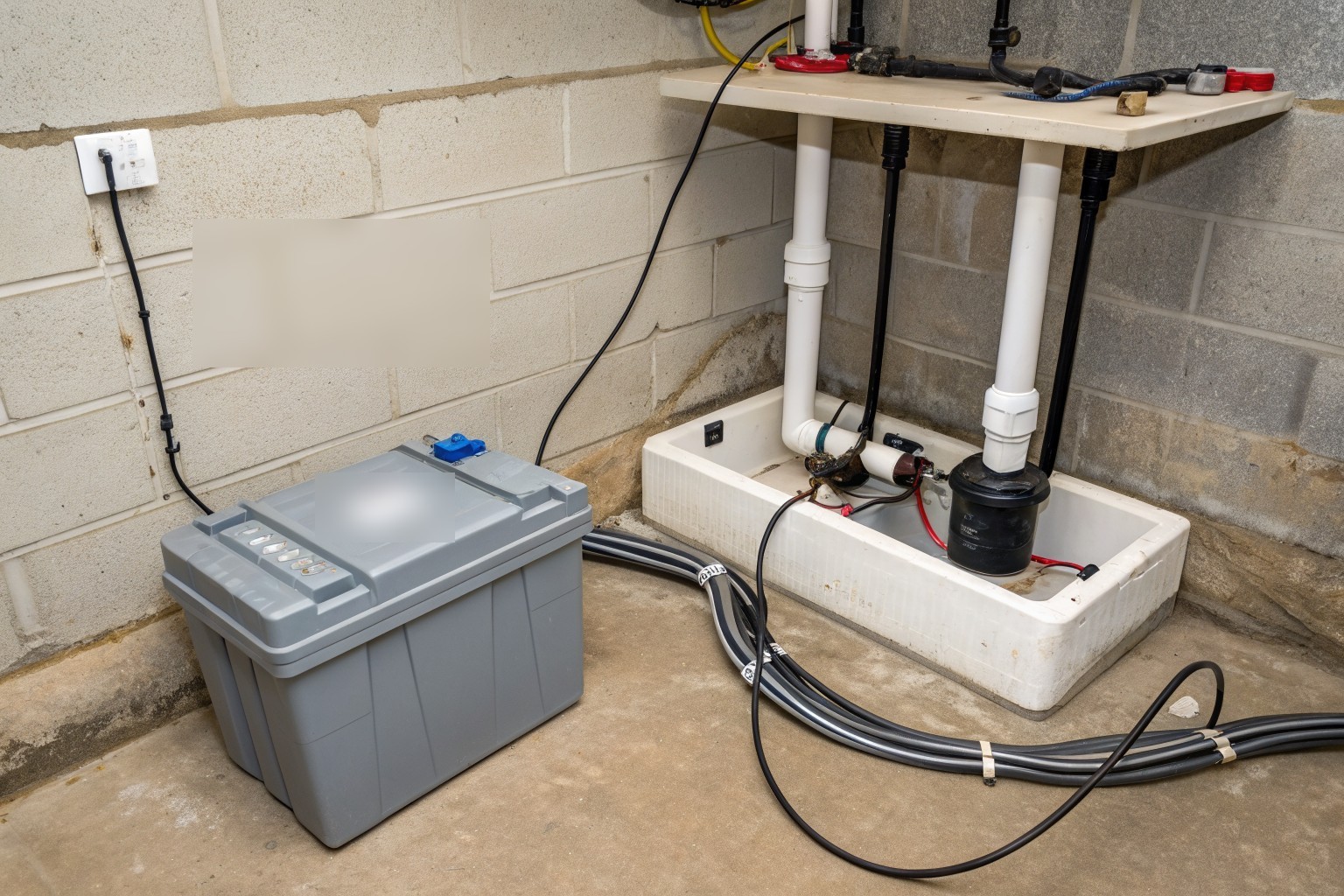
| Cost row | Figure | Source (year) |
|---|---|---|
| Typical basement waterproofing project | about $3,000 to $10,000 (average about $5,000) | Fixr national (2026) |
| Interior perimeter drain, per linear foot | $40 to $120 | Fixr national (2026) |
| Sump pump installation | $600 to $2,500 | Fixr national (2026) |
| Epoxy crack injection, per crack | $250 to $1,000 | Fixr national (2026) |
| Waterproof paint or sealant, per sq ft | $1 to $8 | Fixr national (2026) |
These are Fixr's 2026 national figures; no source prices sump work in Akron or Ohio. A pump swap in an existing basin can sit low in the range, while a first pit through an old slab, a battery backup or a long outdoor line moves it up. Plumbing tie-ins and wiring carry their own prices from those trades. No City, County or town program helps pay for a pump. See the cost guide or try the cost calculator.
Why Request It Here
Sending the form costs you nothing and earns you nothing. It reaches a single independent local contractor, which may pay this site a flat fee to advertise; the site itself installs and prices nothing.
Ohio has no state license for waterproofing, so the checks are yours. For permitted work in Akron, ask whether the contractor is registered with the City of Akron, and ask for insurance and workers' compensation certificates, recent customers and a written warranty. Disputes can go to the Ohio Attorney General's Consumer Protection Section.
What People Ask First
Could the discharge go into a floor drain or the laundry sink?
No. Each of those connects to the house sewer, which is meant for wastewater, not groundwater. When a discharge line ends indoors, a licensed plumber can say how to reroute it outside, and changing any drain or sewer connection takes a permit.
Does a sump pump do the job of a backwater valve?
No. A sump handles groundwater, lifting it from beneath the slab and out to the lawn. A backwater valve sits on the sewer line and shuts if sewage starts moving back toward the house. A licensed plumber can judge whether one suits your home; it needs permits, and the owner pays. The City's Backflow Prevention Program concerns drinking water, not either device.
When should the pump be tested?
Before the wet months. The evening of August 8, 2024 is a fair reminder: most of the area got 3 to 5 inches of rain, and the National Weather Service noted that hundreds, if not thousands, of basements in Summit County were reported flooded. Run the bucket test from the steps above.
You May Also Need
A pump only empties what reaches it, so basement drainage often belongs in the same plan. One damp spot points to basement leak repair, a split wall to foundation crack repair, and every wall to full basement waterproofing.
Start Your Sump Pump Request
Use the form to say whether there's a basin, how often the pump runs and where water shows up. One independent local contractor serving Akron receives it, gets in touch, looks over the setup and writes any estimate itself. Nobody can promise a pump that never quits; any work is agreed between you and that contractor. The form is all it takes.